Philosophy

Wednesday, September 4, 2019

Welcome to the Victoria Bug Zoo


The VICTORIA BUG ZOO is located in downtown Victoria, BC. 

A visit to this must-see mini zoo introduces visitors to the amazing world of insects, arachnids, and their many-legged relatives. 

Specializing in GIANT TROPICAL BUGS, the Bug Zoo shines a light on some of the most under appreciated animals in the world. 

Tours ALWAYS in progress.

Visit our website for more information: 


Man charged after scorpions, spiders and more seized from B.C. home


 https://www.facebook.com/victoriabugzoo/videos/764729370646411/?t=0

One of the vinegaroons being housed at the Victoria Bug Zoo after a raid in a Surrey home. (Photo: Screengrab from Victoria Bug Zoo Facebook video) 


Link:
https://www.facebook.com/victoriabugzoo/videos/764729370646411/?t=0

VIDEO: Man charged after scorpions, spiders and more seized from B.C. home


Victoria Bug Zoo to begin adopting out some of the critters Sept. 4 


AMY REID
Sep. 3, 2019


B.C.’s Conservation Officer Service says a man is facing charges under the Wildlife Act following the seizure of hundreds, if not thousands, of exotic animals from a rental home in Surrey Aug. 8.

Maple Ridge veterinarian Dr. Adrian Walton told the Now-Leader he was called to the home by Surrey’s bylaw department after someone saw a “bunch of reptiles out on a deck.”


Walton said after arriving at the home, he quickly realized there was a lot more to the story.

“While we were doing the investigation, you took one quick look in the window and you were seeing this entire room of deli cups full of bugs, basically. Mostly spiders, but you could see some scorpions,” said Walton, who is head veterinarian at Dewdney Animal Hospital, which has experience caring for exotic creatures, albeit not this many.

Walton estimated there were thousands of creatures in the Surrey home.

Because of the condition of the animals, Walton said B.C. Conservation Officer Service got a warrant that was executed around 11 p.m. that evening.


Many animals were in “poor condition,” he said, adding that some containers housing them didn’t have air holes.

“From the bugs perspective, most of the animals were tarantulas and scorpions and these are venomous. Under Surrey bylaws, they’re not legal, so Surrey can’t adopt them out. You’re stuck in a situation of what do you do with these animals? Many were not identifiable, because they were babies. Some animals in there that were highly venomous, that no group is going to adopt out due to liability issues, my understanding is that the decision were made that those animals were not adoptable so they were destroyed.”


While the Maple Ridge clinic cared for many of the animals and insects, many have since been transported to the Victoria Bug Zoo. Others were taken to the Surrey Animal Resource Centre.


Walton said it was “pretty obvious” this was a wholesale situation and that the animals were either arriving or being prepared for shipment.


“This is a situation we deal with in the pet trade – the international and even national transport of animals. What we know from various studies is the mortality rate is approximately 70 per cent,” he told the Now-Leader. “We have serious concerns about the ethics of that. So to see such a large volume of animals, many of which were not in the best of condition, it’s very upsetting to someone who actually sees these animals as incredibly unique creatures. I’m supportive of the people, the local breeders, who raise these animals because they have a love…. You shouldn’t be buying online, you shouldn’t be buying from pet stores, you should be finding local qualified breeders and getting your exotic pets that way. “

As passionate as he is, Walton laughed as he said walking into a home with thousands of spiders at 11 o’clock at night “isn’t exactly my idea of fun.”


“I just went to pick up a couple of turtles, and was hoping to be home for dinner,” he chuckled. “All the weird stuff, somehow Dewdney gets involved.”


In an emailed statement, B.C.’s conservation service said a man who is known to them is facing “multiple charges” under the Wildlife Act in connection to case.


The statement noted was in “unlawful possession of live Schedule A wildlife, namely various turtle species” and that a search warrant was executed. The statement adds that the City of Surrey seized hundreds of spiders, scorpions and centipedes, seeing as they were illegal to possess under the municipal bylaw.


While officials wouldn’t pinpoint an exact address of the home, they told the Now-Leader it was in north-east Surrey.


“It is unlawful to possess live wildlife without a permit,” the statement from the conservation service notes, “and hobbyists should check all federal, provincial and municipal regulations prior to purchasing or housing any reptile or amphibian species to ensure they are in compliance with all applicable legislation.”


In a Facebook post, the Victoria Bug Zoo wrote that it plans to begin adopting out the vinegaroons in its care on Sept. 4, for a fee of $40.


“We will adopt out a maximum of two to each person – however, this species is solitary and each should be kept alone in its own enclosure,” reads a post from Victoria Bug Zoo. “Some may be pregnant, we respectfully ask that any vinegaroons that lay eggs be temporarily returned to the zoo so we can care for the babies.”


“To everyone who has already expressed Interest in adopting one of our little friends here, thank you so much for your kindness, and thank you to Dewdney Animal Hospital Ltd. and Adrian for helping us get the word out!”


An earlier Victoria Bug Zoo post noted they had about 15 vinegaroons in their care, which were all in “extremely rough shape when they arrived.”


“It is incredibly sad when animals must pay the price for the poor decisions of humans,” that post reads. “There are, unfortunately, unscrupulous people in the exotic pet trade, and this is why it is important to know who you are supporting when you make a purchase. Research your provider, always choose captive bred where possible, and don’t buy from people who sell illegal or unhealthy animals.”


In a Facebook video, a staff member at Victoria Bug Zoo explains vinegaroons are arachnids, “fairly closely related to spiders and scorpions.”


Link: https://www.campbellrivermirror.com/news/man-charged-after-scorpions-spiders-and-more-seized-from-surrey-home/


Sunday, July 14, 2019

The Top 10 Psilocybin Research Papers of the Last 20 Years


The Top 10 Psilocybin Research Papers of the Last 20 Years
A 2006 paper by Dr. Roland R. Giffiths and his team holds the #1 spot

JULY 08, 2019 - BARB BAUER 


The increasing interest in studying the beneficial effects of psychedelic drugs presents an appropriate moment to take a look back at some of the most highly-cited psilocybin research papers of the last 20 years.

To aid in compiling and organizing the resulting data, searching Google Scholar was done using the free program Publish or Perish.

The search was set up to cover the years 1999 to 2019 to find studies with “psilocybin” in the title of the paper. The results are shown below with a brief summary. 

The number of citations and year of publication for each is listed in Table 1.

It is important to note that a high citation count for a paper does not necessarily mean it is a high-quality study. A quick internet search reveals there are several ways to artificially inflate the citation count of scientific papers. Conversely, there are likely current ground-breaking papers on psilocybin that did not make the top 10 list because they are new and do not have enough citations yet. This top 10 list is meant to be a retrospective for general reference. The resulting list shown in Table 1 does contain several distinguished and respected psychedelic researchers, which adds validity to their citation counts.

1. Griffiths RR, Richards WA, McCann U, Jesse R. Psilocybin can occasion mystical-type experiences having substantial and sustained personal meaning and spiritual significance.

This double-blind study tested the short and long-term psychological effects of high doses of psilocybin (30 mg/70 kg) on volunteers compared to the comparison compound methylphenidate hydrochloride. The volunteers were all hallucinogen näive and participated in regular religious or spiritual activities. Psilocybin produced a variety of acute perceptual changes and subjective experiences as well as decreased anxiety and increased measures of mystical experience. The data showed the psilocybin-occasioned mystical experiences were similar to spontaneously occurring mystical experiences. The data from the 2-month follow-up showed the effects of psilocybin had persisted with the volunteers saying it had substantial personal meaning and spiritual significance for them. Also, the volunteers attributed the positive changes in their behavior and attitude since the study to their psilocybin experience.

2. Carhart-Harris RL, Erritzoe D, Williams T, et al. Neural correlates of the psychedelic state as determined by fMRI studies with psilocybin.

These researchers used a brain imaging technique called fMRI (functional magnetic resonance imaging) to examine how the human brain transitions from the normal waking state to the psychedelic state under the influence of psilocybin. The results indicated that the subjective effects of psilocybin (and other psychedelic drugs) are due to decreased activity and connectivity in key connector hubs in the brain which allows it to enter “a state of unconstrained cognition.”

3. Griffiths R, Richards W, Johnson M, McCann U, Jesse R. Mystical-type experiences occasioned by psilocybin mediate the attribution of personal meaning and spiritual significance 14 months later.

This study is the 14-month follow up to the Griffiths et al. study that is #1 on the list. The researchers report that at 14 months post-study, 58% of the volunteers said their psilocybin-occasioned experience as among the five most personally meaningful in their lives. Sixty-seven percent reported is as one of their top five most spiritually significant experiences. Also, increased life-satisfaction was reported by 64% of the volunteers, and 58% met the criteria for having had a “complete” mystical experience. Overall, having a mystical experience during the original study was determined to be central to the high ratings of personal meaning and spiritual experience at the follow-up.

4. Grob CS, Danforth AL, Chopra GS, et al. Pilot study of psilocybin treatment for anxiety in patients with advanced-stage cancer.

In this double-blind and placebo-controlled study examined, researchers examined the effect of a moderate dose (0.2 mg/kg) of psilocybin on feelings of anxiety in twelve adult patients with advanced-stage cancer. The results showed a significant reduction in anxiety at one and three months after treatment. Mood improvement of the patients reached a significant level after six months. As a pilot study, this work determined it is safe and feasible to administer moderate doses of psilocybin to advanced-stage cancer patients with anxiety, and some of the data showed improvements in mood and anxiety over time.

5. MacLean KA, Johnson MW, Griffiths RR. Mystical experiences occasioned by the hallucinogen psilocybin lead to increases in the personality domain of openness.

This 2011 paper reports on the effects of psilocybin on five aspects of personality; neuroticism, extroversion, openness, agreeableness, and conscientiousness on healthy volunteers. The data showed that in addition to the volunteers reporting hallucinogen-induced increases in aesthetic appreciation, imagination, and creativity, there were significant increases in openness following a high-dose ( 30 mg/kg to 70 mg/kg) psilocybin session. In addition, openness remained significantly higher than the baseline more than a year later if the volunteer had a mystical experience during their psilocybin session.

6. Griffiths RR, Johnson MW, Richards WA, Richards BD, McCann U, Jesse R. Psilocybin occasioned mystical-type experiences: immediate and persisting dose-related effects.

Eighteen hallucinogen-näive adults were chosen for this double-blind study to evaluate the effect of several doses of psilocybin administered under supportive conditions. The results of the study showed that when used under supportive conditions, psilocybin (20, 30, and 70 mg/kg) occasioned mystical-type experiences that had long-lasting positive effects on mood, attitude, and behavior. Interestingly, the lowest dose showed the most significant effects.

7. Carhart-Harris RL, Bolstridge M, Rucker J, et al. Psilocybin with psychological support for treatment-resistant depression: an open-label feasibility study.

Twelve patients with moderate to severe, unipolar, treatment-resistant depression were given two oral doses of psilocybin (10mg and 25 mg) seven days apart along with psychological support. Compared to the baseline data, the patient’s depressive symptoms were “markedly reduced” one week and three months after treatment. They also experienced significant and sustained improvements in their feelings of anxiety and lack of pleasure in their lives (anhedonia). This study provided preliminary evidence to support the safety and efficacy of using psilocybin for treatment-resistant depression.

8. Moreno FA, Wiegand CB, Taitano EK, Delgado PL. Safety, tolerability, and efficacy of psilocybin in 9 patients with obsessive-compulsive disorder.

This double-blind study tested the effects of four low (100 µg/kg) medium (200 µg/kg), or high (300 µg/kg) oral doses of psilocybin on relieving the symptoms of obsessive-compulsive disorder (OCD) in nine patients. Data were gathered at baseline and at 4, 8, and 24 hours post ingestion. The researchers inserted a very low dose (VLD) (25 µg/kg) of psilocybin randomly throughout the study anytime after the first dose. The researchers hypothesized that there would be negligible at the VLD and used it as a placebo. The results showed that “Marked decreases in OCD symptoms of variable degrees were observed in all subjects during one or more of the testing sessions.” Interestingly, strong responses were even seen at the VLD.

9. Bogenschutz MP, Forcehimes AA, Pommy JA, Wilcox CE, Barbosa PCR, Strassman RJ. Psilocybin-assisted treatment for alcohol dependence: a proof-of-concept study.

This 2015 study tested the effects of one or two oral doses of psilocybin on ten volunteers with alcohol dependence. The volunteers were dosed with psilocybin at 0.3 mg/kg and given motivational and supportive therapy both before and after administration. Four weeks later, the volunteers were given a second dose of 0.4 mg/kg unless they did not want to an increase, had adverse effects from the first dose, or had a complete mystical experience from the first dose. The results showed that the intensity of the first psilocybin session strongly predicted changes in drinking behavior over the next four weeks. The intensity of the first session also predicted decreases in alcohol cravings and increases in abstinence self-efficacy. Those volunteers who had a second dose of 0.4 mg/kg experienced similar results.

10. Johnson MW, Garcia-Romeu A, Cosimano MP, Griffiths RR. Pilot study of the 5-HT2AR agonist psilocybin in the treatment of tobacco addiction.

In 2014, this pilot study tested moderate (20 mg/ 70 kg) and high (30 mg/ 70 kg) oral doses of psilocybin on 15 smokers in conjunction with a 15-week smoking cessation treatment protocol. The study gathered data at several points, including biomarker assessments for smoking and self-reporting by the participants. At the 6-month follow-up after the study, 80% of the participants were still abstinent from smoking. This exceeds the <35% rate typically seen using behavioral and/or pharmacological therapies.

Table 1: The top 10 psilocybin research papers from 1999 to 2019 with “psilocybin” in the title based on citation counts in Google Scholar.

NUMBER OF CITATIONS YEAR OF PUBLICATION
REFERENCE 
783 2006 Griffiths RR, Richards WA, McCann U, Jesse R. 

Psilocybin can occasion mystical-type experiences having substantial and sustained personal meaning and spiritual significance. 

Psychopharmacology. 2006;187(3):268-283. doi:10.1007/s00213-006-0457-5
477 2012 Carhart-Harris RL, Erritzoe D, Williams T, et al. Neural correlates of the psychedelic state as determined by fMRI studies with psilocybin. PNAS. 2012;109(6):2138-2143. doi:10.1073/pnas.1119598109
454 2008 Griffiths R, Richards W, Johnson M, McCann U, Jesse R. Mystical-type experiences occasioned by psilocybin mediate the attribution of personal meaning and spiritual significance 14 months later. J Psychopharmacol. 2008;22(6):621-632. doi:10.1177/0269881108094300
442 2011 Grob CS, Danforth AL, Chopra GS, et al. Pilot study of psilocybin treatment for anxiety in patients with advanced-stage cancer. Archives of General Psychiatry. 2011;68(1):71-78. doi:10.1001/archgenpsychiatry.2010.116
350 2011 MacLean KA, Johnson MW, Griffiths RR. Mystical experiences occasioned by the hallucinogen psilocybin lead to increases in the personality domain of openness. J Psychopharmacol. 2011;25(11):1453-1461. doi:10.1177/0269881111420188
321 2011 Griffiths RR, Johnson MW, Richards WA, Richards BD, McCann U, Jesse R. Psilocybin occasioned mystical-type experiences: immediate and persisting dose-related effects. Psychopharmacology. 2011;218(4):649-665. doi:10.1007/s00213-011-2358-5
278 2016 Carhart-Harris RL, Bolstridge M, Rucker J, et al. Psilocybin with psychological support for treatment-resistant depression: an open-label feasibility study. The Lancet Psychiatry. 2016;3(7):619-627. doi:10.1016/S2215-0366(16)30065-7
248 2006
Moreno FA, Wiegand CB, Taitano EK, Delgado PL. Safety, tolerability, and efficacy of psilocybin in 9 patients with obsessive-compulsive disorder. Journal of Clinical Psychiatry. 2006;67(11):1735-1740. http://www.maps.org/research-archive/w3pb/2006/2006_Moreno_22868_1.pdf.
242 2015 Bogenschutz MP, Forcehimes AA, Pommy JA, Wilcox CE, Barbosa PCR, Strassman RJ. Psilocybin-assisted treatment for alcohol dependence: a proof-of-concept study. Journal of psychopharmacology. 2015;29(3):289-299. doi:10.1177/0269881114565144
232 2014 Johnson MW, Garcia-Romeu A, Cosimano MP, Griffiths RR. Pilot study of the 5-HT2AR agonist psilocybin in the treatment of tobacco addiction. J Psychopharmacol. 2014;28(11):983-992. doi:10.1177/0269881114548296


MORE ARTICLES ABOUT


WE'VE JUST LAUNCHED

Psychedelic Science Review is embarking on a journey to bring cutting edge science in the field of psychedelics to you in the most accessible, thorough and scientifically accurate way possible.

But we still have a long way to go...

Please bear with us as we roll out the our brand new site, and check back frequently for updates. 
Support free access to the latest psychedelic science by liking our Facebook page and by following @psyscireview on Twitter.

© 2019 PSYCHEDELIC SCIENCE REVIEW



Magic mushrooms should be decriminalised

Research into their therapeutic uses should not be bogged down in legal difficulties

\


Magic mushrooms should be decriminalised

Research into their therapeutic uses should not be bogged down in legal


Magic mushrooms should be decriminalised

Research into their therapeutic uses should not be bogged down in legal difficulties


difficulties


It was like when you defrag the hard drive on your computer. I experienced blocks going into place, things being rearranged in my mind. I visualised, as it was all put in order, a beautiful experience with these gold blocks going into black drawers that would illuminate and I thought: ‘My brain is being defragged! How brilliant is that!’” said Patient 11 in a small trial carried out at Imperial College, London, into the effects of psilocybin, the active compound in magic mushrooms, on people with depression resistant to available treatments. Six months on, the experience had left its mark. “My mind works differently. I ruminate much less, and my thoughts feel ordered, contextualised.”

The rehabilitation of psychedelic drugs, banned in most countries, is under way (see article). Oakland, California, in effect decriminalised psychoactive plants and fungi this week; a Republican state senator wants to do the same in Iowa; Denver decriminalised magic mushrooms last month; and campaigns in California and Oregon demand ballots to decriminalise psychoactive plants and legalise the therapeutic use of psilocybin, respectively.


VANCOUVER ABORIGINAL FRIENDSHIP CENTRE


VANCOUVER ABORIGINAL FRIENDSHIP CENTRE SOCIETY 


The Vancouver Aboriginal Friendship Centre Society (VAFCS) was registered in 1963 under the British Columbia Act as a non profit organization.


The Centre has been providing quality programs and services to the community for over 50 years. Since incorporation the centre has moved a few times; it was previously located on West Broadway, Vine Street and due to growth, and to better serve Our People the centre is now located at 1607 East Hastings Street.


Link: http://www.vafcs.org/


Saturday, July 13, 2019

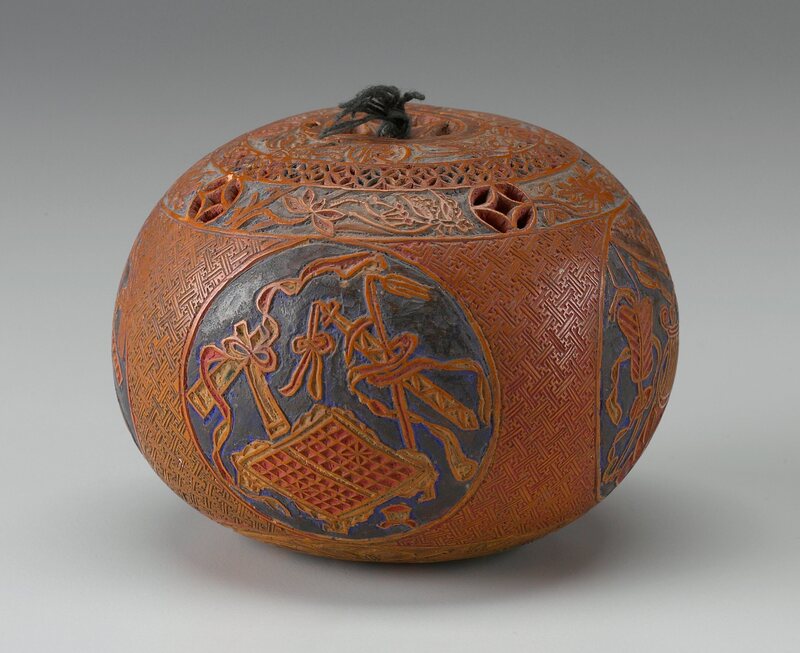
In Ancient China, Pet Crickets Spent the Winter in Opulent Gourds


Spherical cricket container, date unknown, artist unknown.

Spherical cricket container, date unknown, artist unknown. 


In Ancient China, Pet Crickets Spent the Winter in Opulent Gourds


More than functional, these fleshy fruits developed into a striking art form.


BY CLAIRE VOON
JUNE 05, 2019 

Whether for sport or for song, crickets are still collected in China, although their dwellings these days are typically mass-produced. The gourd-molding technique had petered out by the time Laufer penned his report—replaced, in his opinion, by “poor modern imitations.” Vendors at specialty markets today are more likely to sell crickets in bamboo baskets, plastic containers, and even toilet rolls that serve as makeshift tubes. These are certainly less beautiful to behold than elegant gourds, but they speak to the enduring value of the cricket’s chirp—still one of the most cherished sounds in Chinese culture.


Link: 


Thursday, June 13, 2019


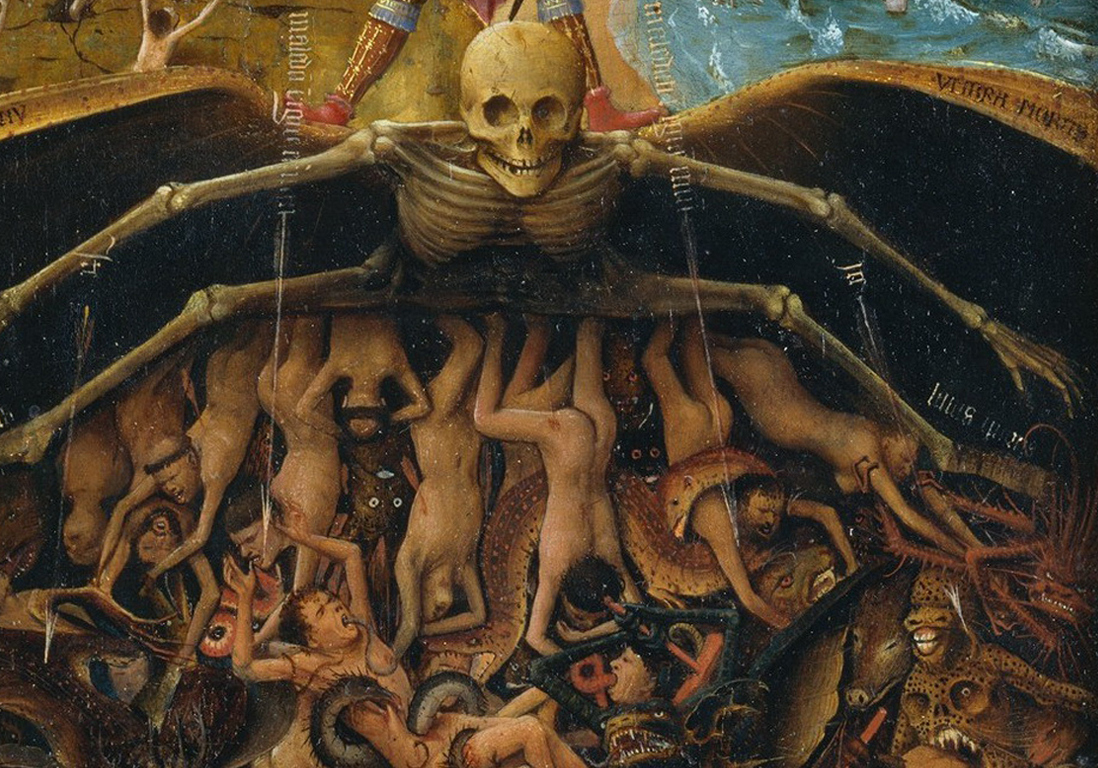
Image result for crucifixion the last judgment


Tibet House US Retweeted
Robert A.F. Thurman‏ @BobThurman Jun 9

Is Reality Made of Bliss? Exploring Yoga & Buddhism with Robert A.F. Thurman via Menla Retreat's Annual Buddha and the Yogis program https://youtu.be/c3W5OngrV38


The fierce Siddha Lakshmi, a wrathful manifestation of the Hindu goddess Durga, was the protecting and guiding goddess of the Malla kings, who ruled Nepal’s Kathmandu Valley from the thirteenth through eighteenth century and their descendants. Here she is shown at the center of the composition standing on the hands of her consort, the great god Shiva, with her various forms occupying the registers above and below. Her name opens with the Sanskrit term “siddha” which indicates that she has mastered the art of accomplishment, and as such she is appealed to by followers for the successful completion of projects.


Saturday, June 1, 2019

William Cullen Bryant


Jump to navigationJump to search
William Cullen Bryant
Cabinet card of Bryant, c.  1876
Cabinet card of Bryant, c.  1876
BornNovember 3, 1794
CummingtonMassachusetts, U.S.
DiedJune 12, 1878 (aged 83)
New York CityNew York, U.S.
OccupationPoet, journalist, and editor
NationalityAmerican
Notable works"Thanatopsis"

Signature

Books-aj.svg aj ashton 01.svg Literature portal
William Cullen Bryant (November 3, 1794 – June 12, 1878) was an American romantic poet, journalist, and long-time editor of the New York Evening Post.

Youth and education[edit]

Engraving of Bryant c. 1843
Bryant was born on November 3, 1794,[1] in a log cabin near CummingtonMassachusetts; the home of his birth is today marked with a plaque.[2] He was the second son of Peter Bryant (b. Aug. 12, 1767, d. Mar. 20, 1820), a doctor and later a state legislator, and Sarah Snell (b. Dec. 4, 1768, d. May 6, 1847). The genealogy of his mother traces back to passengers on the MayflowerJohn Alden(b. 1599, d. 1687), his wife Priscilla Mullins and her parents William and Alice Mullins. The story of the romance between John and Priscilla is the subject of a famous narrative poem by Longfellow "The Courtship of Miles Standish".
He was also a nephew of Charity Bryant, a Vermont seamstress who is the subject of Rachel Hope Cleves's 2014 book Charity and Sylvia: A Same-Sex Marriage in Early America.[3] William Cullen Bryant described their relationship: "If I were permitted to draw the veil of private life, I would briefly give you the singular, and to me interesting, story of two maiden ladies who dwell in this valley. I would tell you how, in their youthful days, they took each other as companions for life, and how this union, no less sacred to them than the tie of marriage, has subsisted, in uninterrupted harmony, for more than forty


Blondie, the Living Room Lion


Blondie, the Living Room Lion


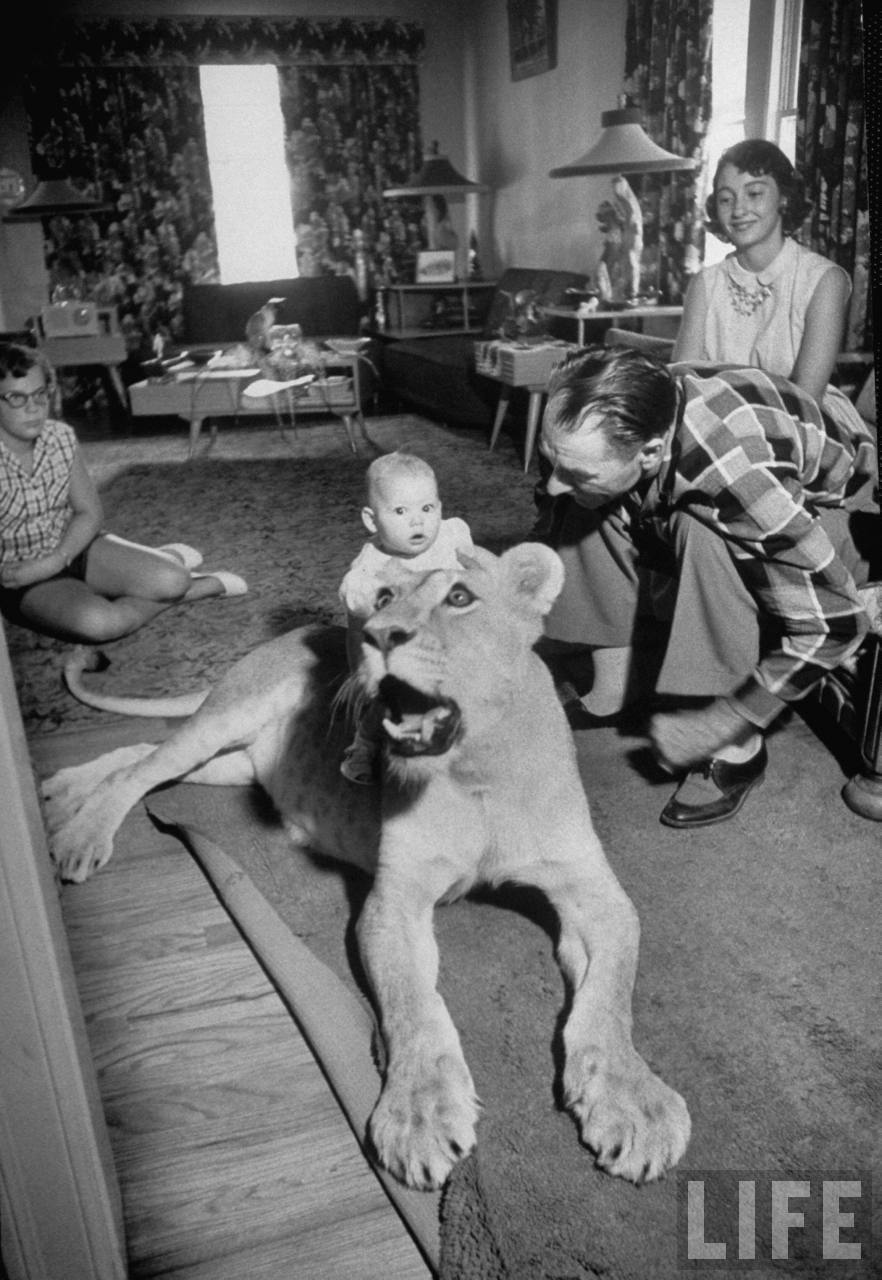
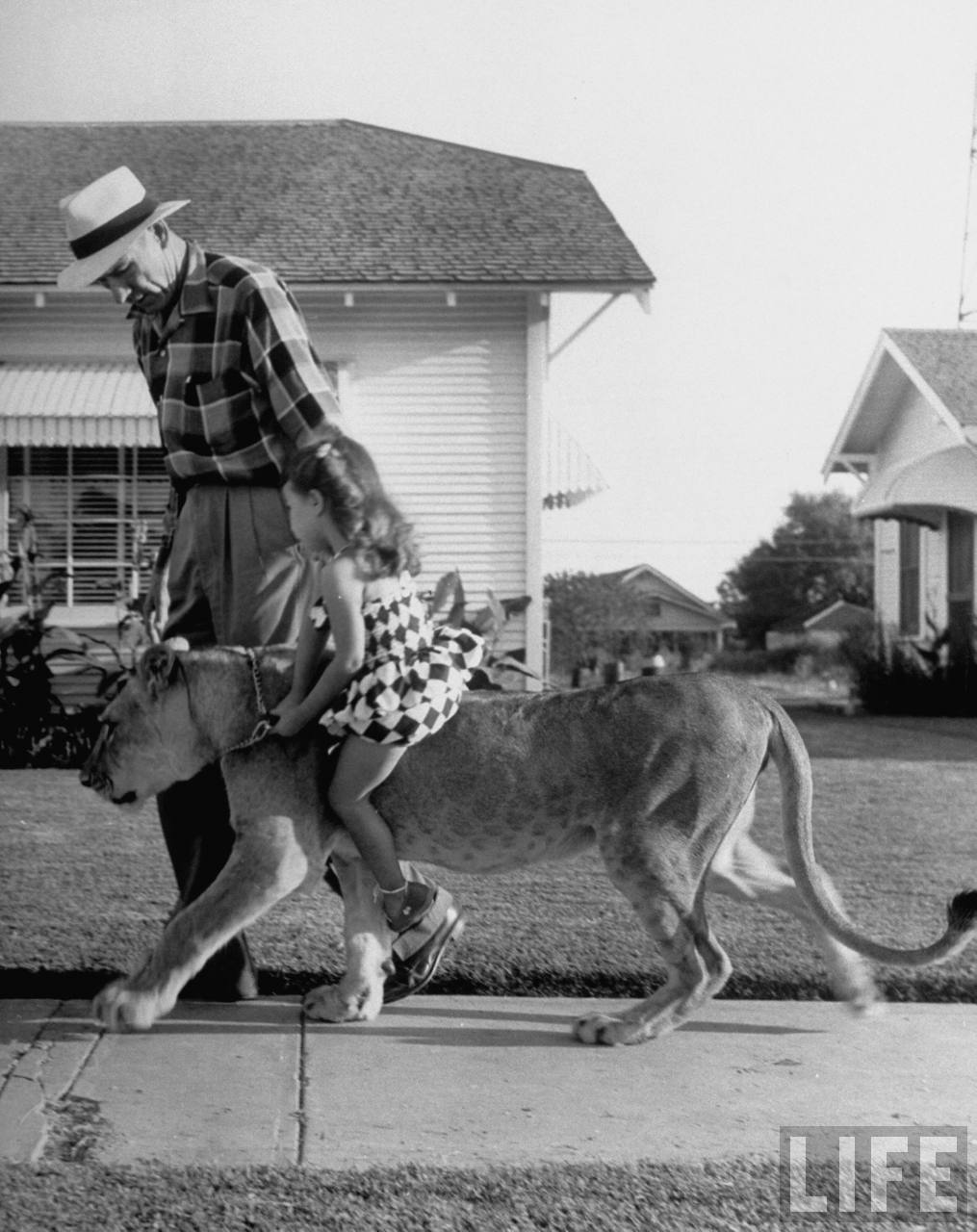
In 1955, LIFE photographer Joseph Scherschel spent a day shooting a rather unusual subject for a spread in the magazine entitled, “Living Room Lion – Blondie, A Docile 200-Pound Texan, Becomes A Member of the Family.” The oversized house cat belonged to Charles Hipp, an oil businessman based in Graham, Texas. You’re probably thinking, ‘another bored rich guy buying wild animals for short-lived amusement’, but Charles Hipp’s story is a little different…


Not your typical oil big shot, Hipp was raised in the circus. Orphaned by the age of 4, he later ran away from the backwoods of Arkansas to join a circus when he was 12. Hipp developed a connection with exotic animals and proved to be a born showman in the tent. By the 1930s however, the thriving energy industry had lured Charles away from the circus. It turned out Hipp also had a knack for drilling, and within a short time he was making good money with his oil well service company where he finally settled in Texas. In nearby Dallas, his story with Blondie would begin…


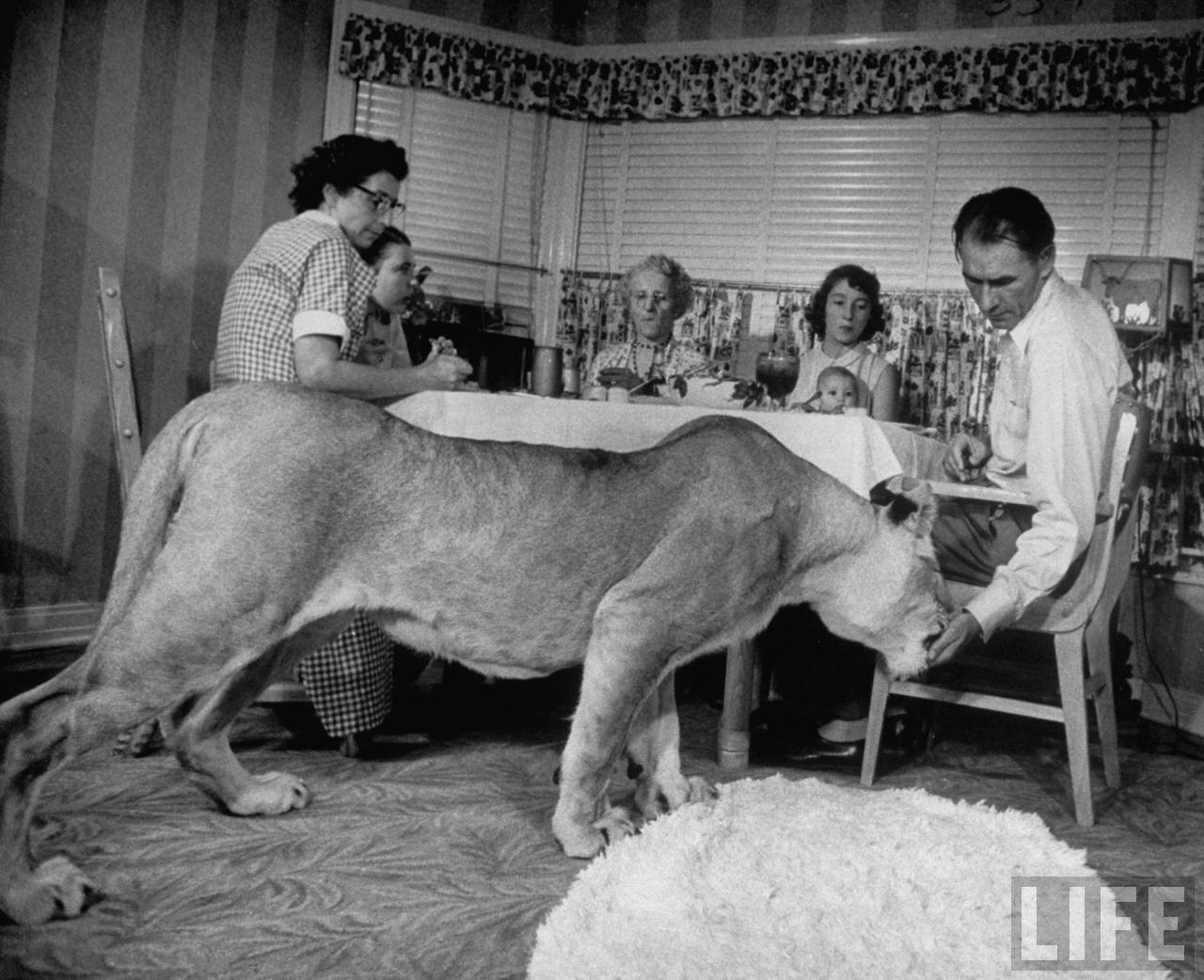
Blondie was purchased from the Dallas zoo when she was one month old. She became an instant member of the family. Above, she can be seen sneaking meat tidbits from Hipp’s hand as he sits at dinner with his wife, daughters, grandmother and grandchild Karen, who you saw balancing on Blondie’s back in the living room in the previous photograph.


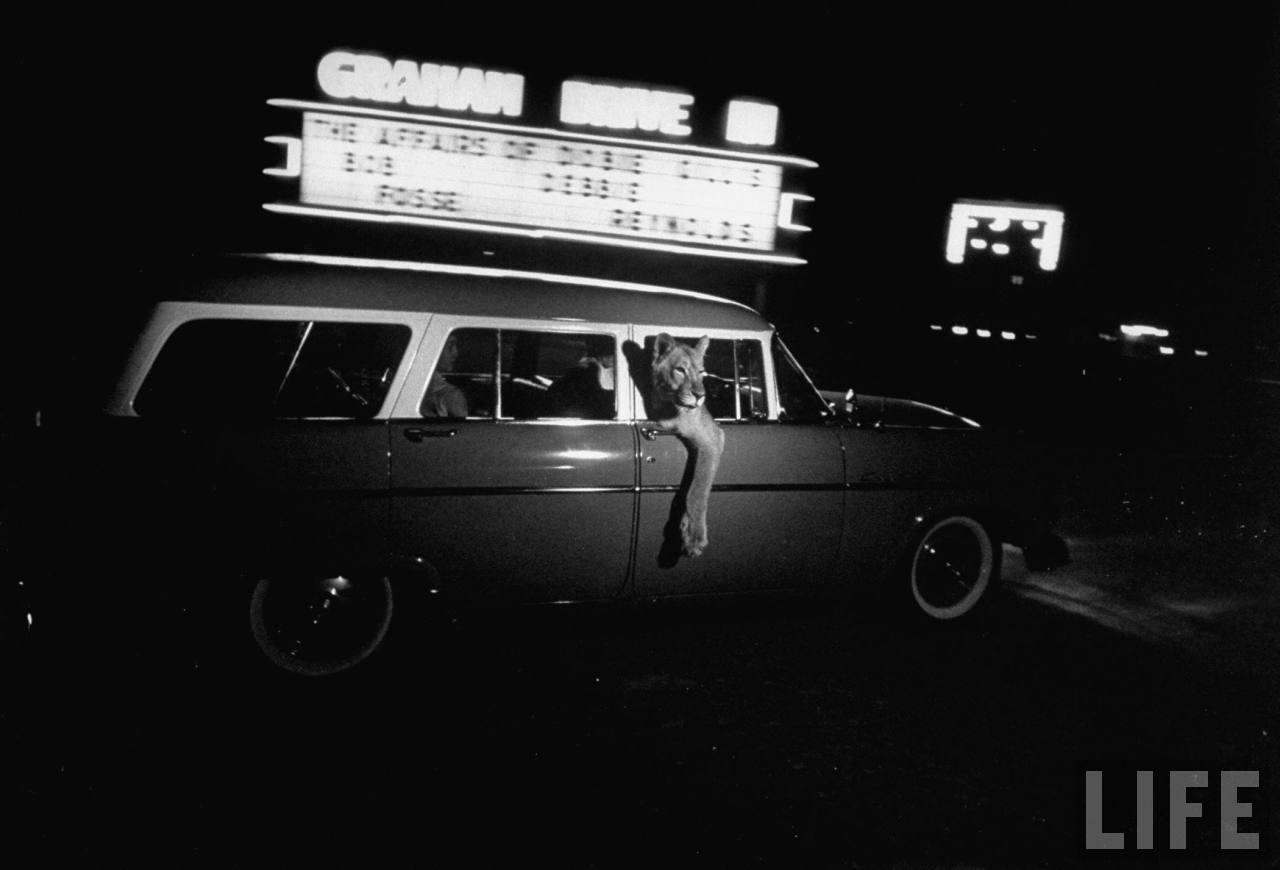
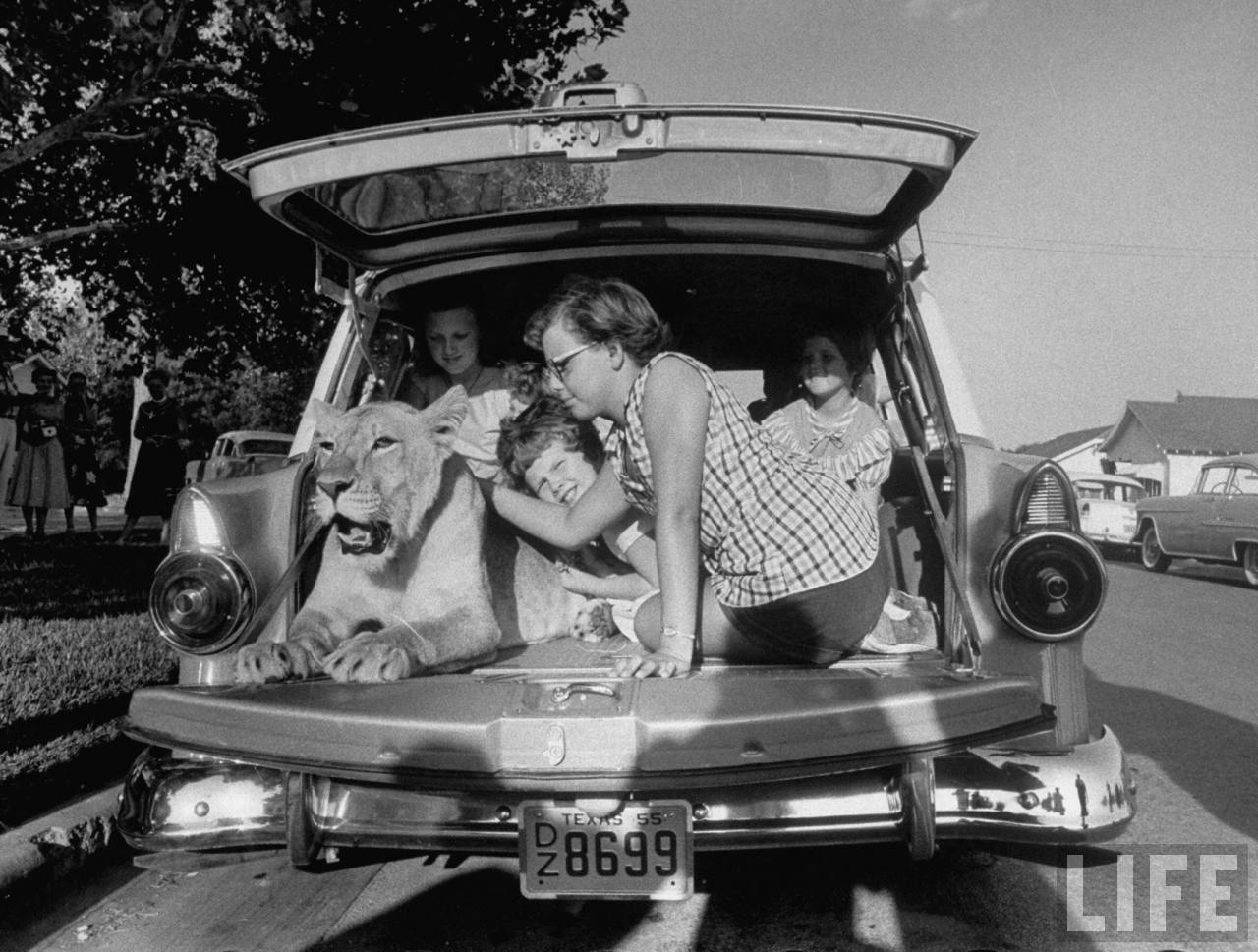
But Blondie wasn’t exactly your stay-at-home cat. She often travelled with the Hipps in their station wagon and even went boating on Possum Kingdom Lake (pictured previously).


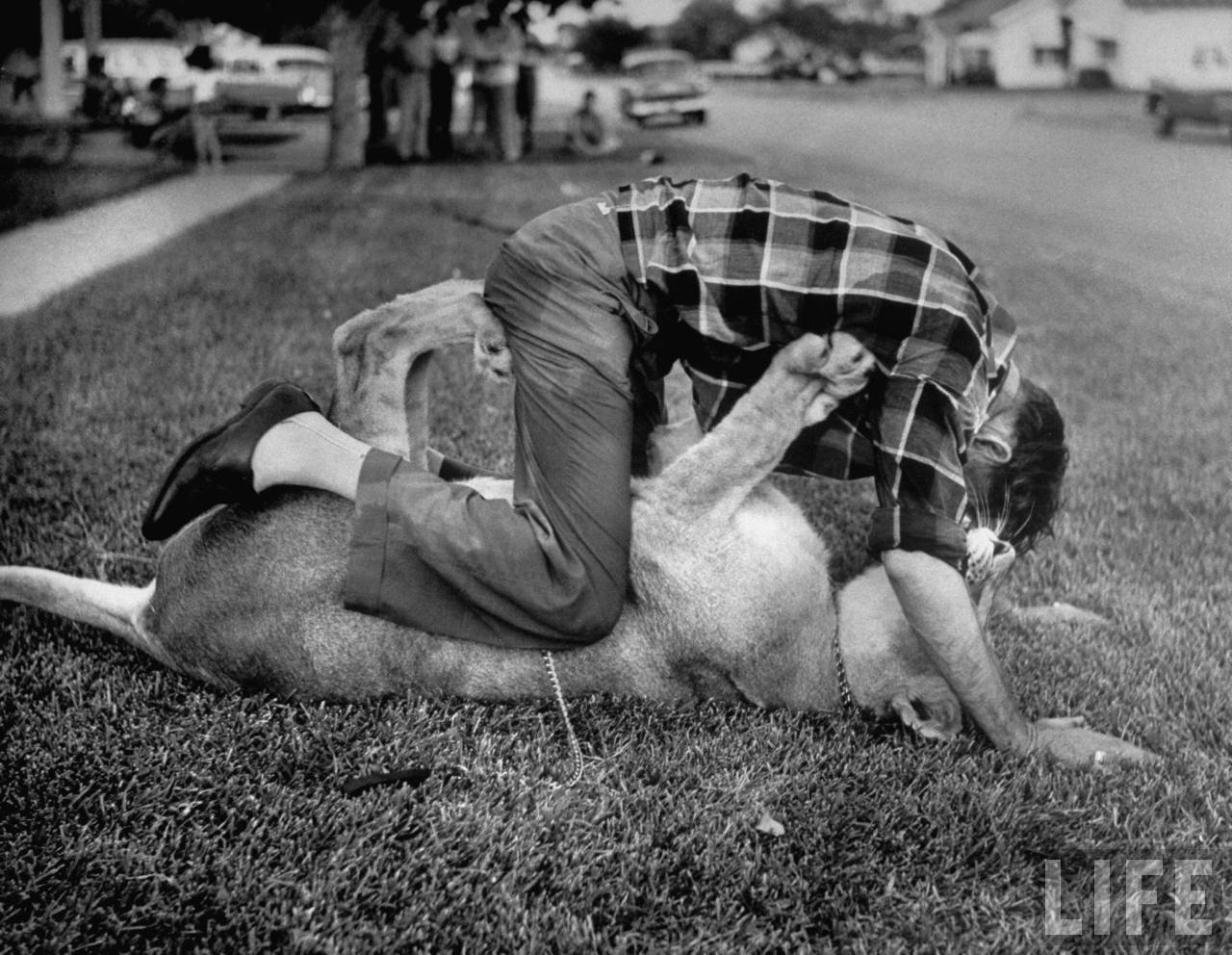
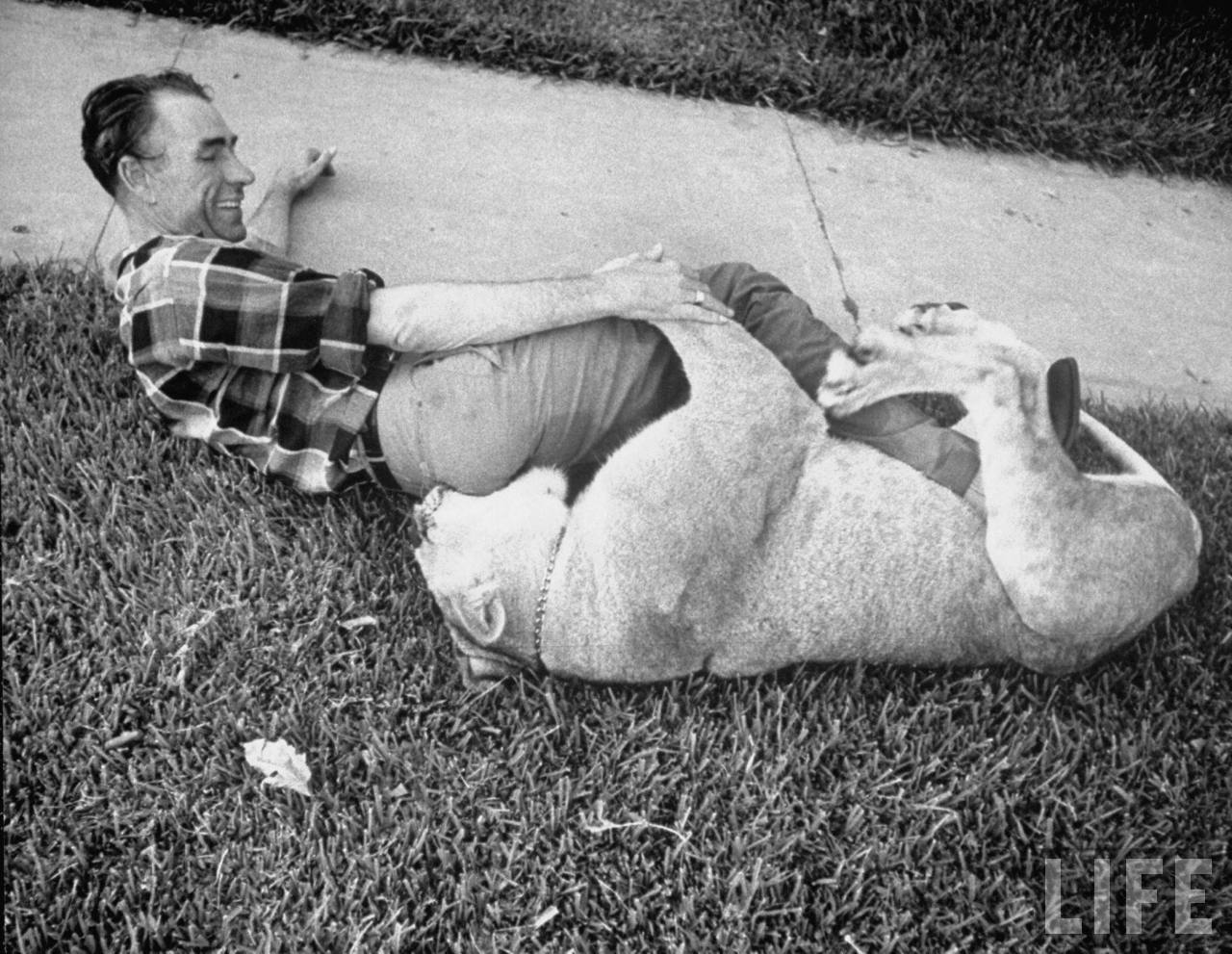
Blondie, the pet lion, playfully putting the “fang-in-the-fanny hold” on her owner Charles Hipp who is smiling through some playful pain before prying her jaws open with his hands & fleeing into the house. (Nobody got hurt.)– LIFE


Pet Lion Blondie, age 2, giving a piggy back ride to young neighbor girl as its owner Charles Hipp keeps her in tow, in front of his home.


Blondie looking bored during routine ride in station wagon past Graham Movie Theater w. her owner Charles Hipp at the wheel.


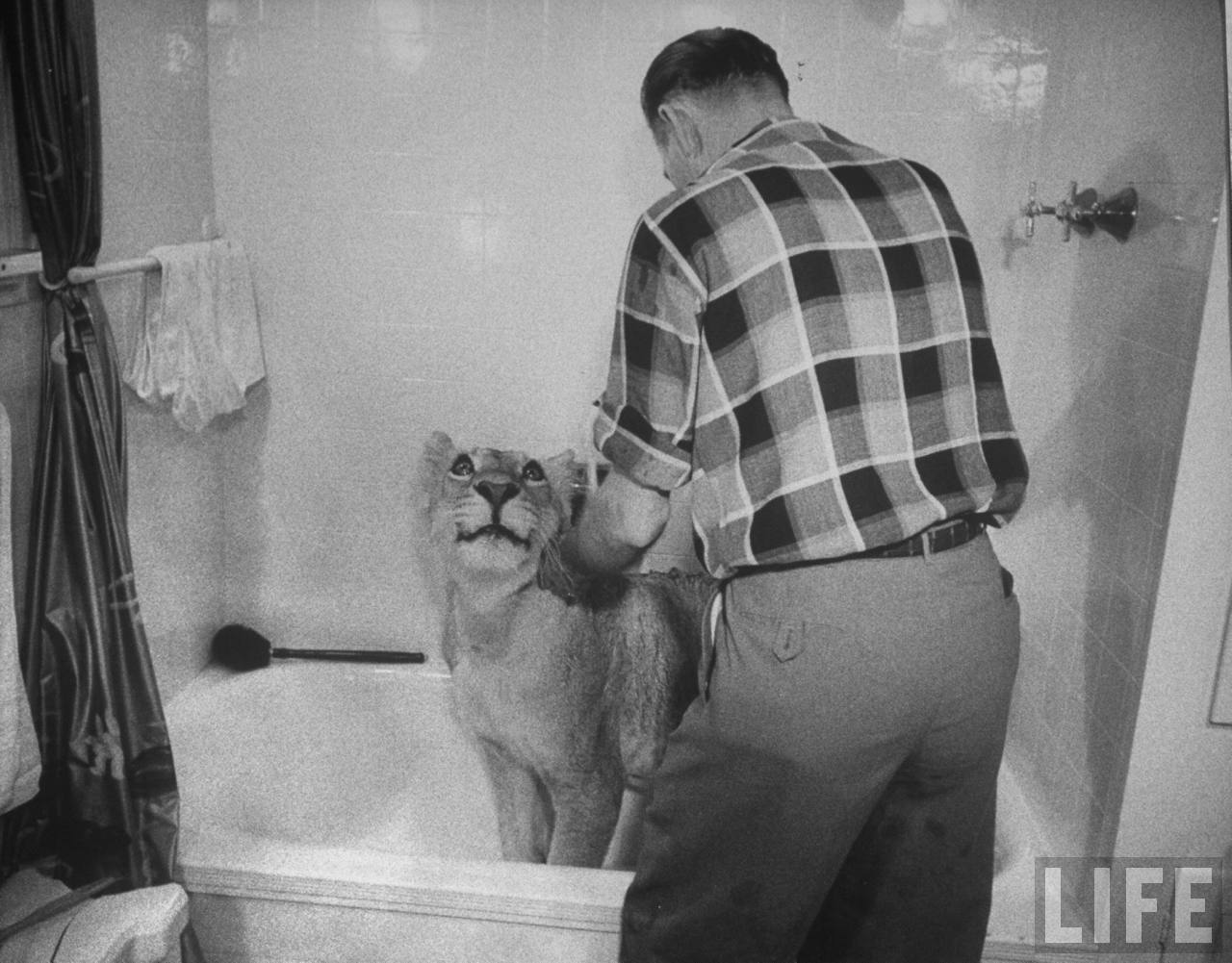
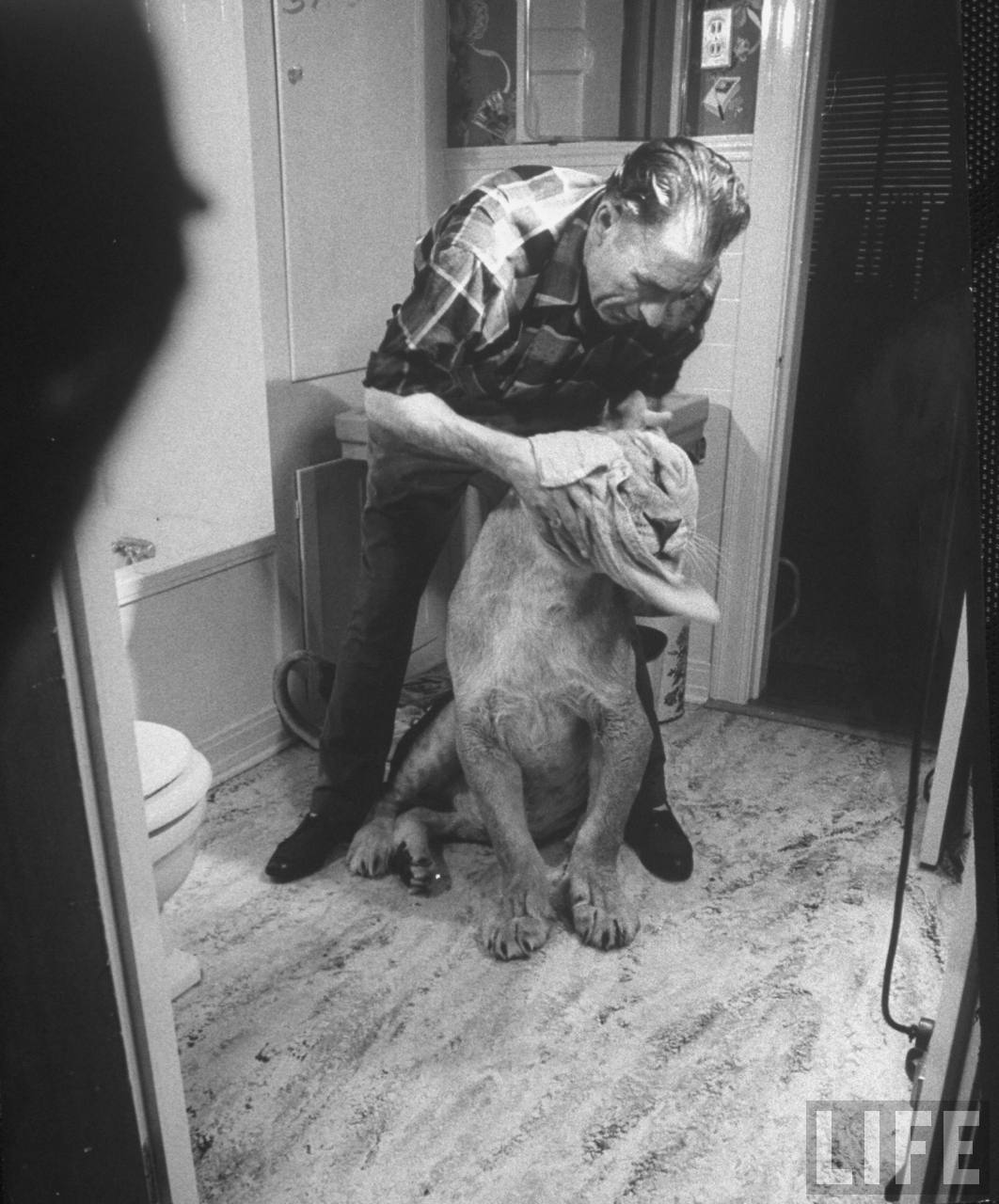
Blondie even shared their bathtub. Here she ‘patiently allows her owner Charles Hipp to pour Tide detergent on her pelt which she loves to lick off & gulp down during her combination bath & shower, at home.’


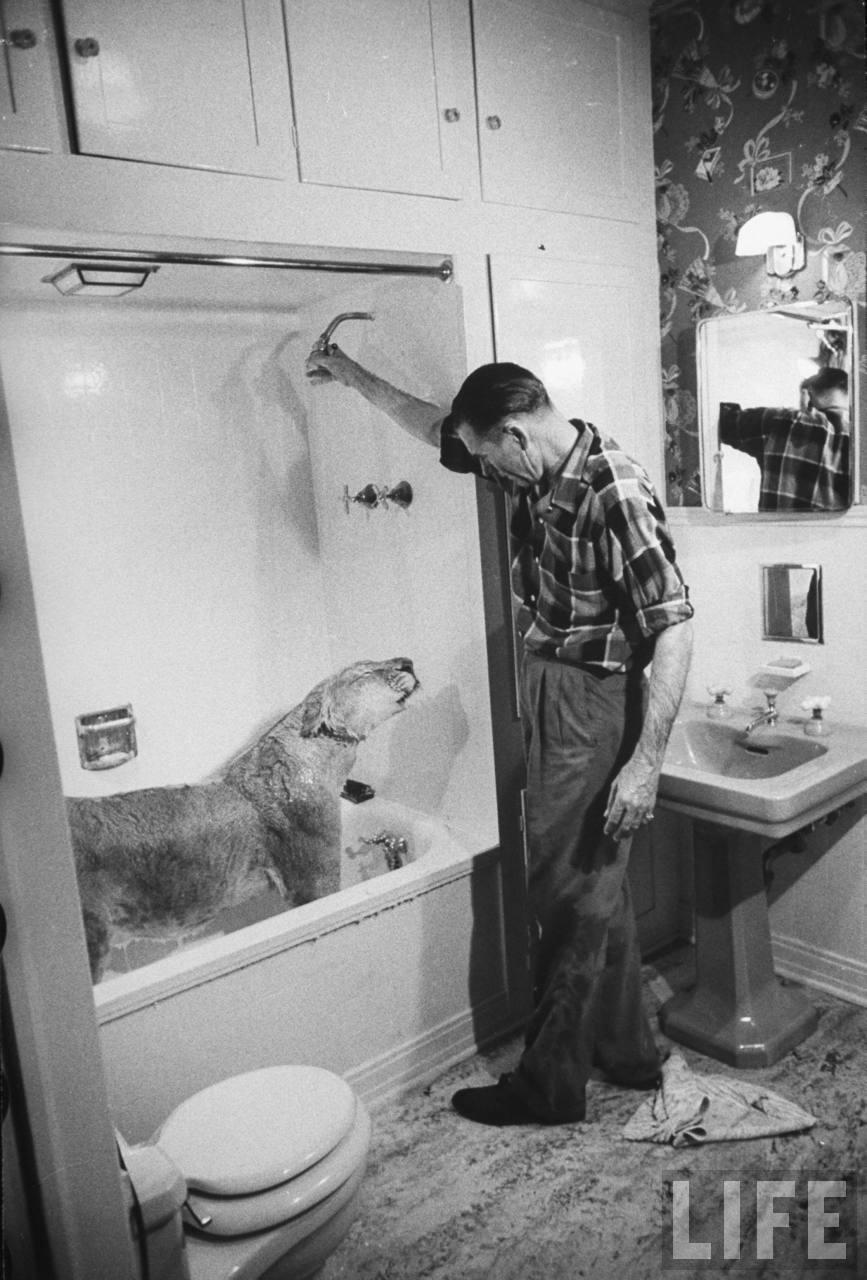
Revelling in the shower spray of lukewarm water her owner Charles Hipp is directing on her pelt, at home and getting a good towel rub afterwards…


While life with Blondie looked pretty rosy, there is a darker side to Hipp’s fondness for wild animals. In the 1960s, the oilman had other wild pets, including a leopard named Randy. In 1962, at the family home, Hipp’s two and half year-old grandson was mauled by the leopard. He survived but was left with life-long scars. Distraught, Hipp gave away all his wild animals, but could not bare to part with Blondie. She remained a beloved member of the family until her death from old age in 1968.


Read more about Charles Hipp and Blondie by Mike Cox

More photographs from LIFE magazine here


YOU MIGHT ALSO BE INTERESTED IN:
.


A FAMILY FROM TEXAS HAD A LION AS A PET AND NEVER HAD ANY INCIDENT WITH HER


ANIMALS, HUMANS
A FAMILY FROM TEXAS HAD A LION AS A PET AND NEVER HAD ANY INCIDENT WITH HER

by UNBELIEVABLE FACTS6 years ago201Views
11SHARES
ShareShare on Twit


Share


Some children have dreams of having exotic pets like amphibians, bears, hares, lions, etc. but these remain just dreams. Most parents would hardly allow any of their kids to get so close to the animals or have them as pets. However one boy did live his dream and Joseph Scherschel’s photography of 1955 still tells this story to date.
ADVERTISEMENTS

Share
Image source: www.gstatic.com

Charles Edward Hipp was born in 1904 and in 4 years’ time both his parents were dead. He moved in with his grandparents and later with friends. Six years into schooling, the 12 year old ran away to join a circus. Years of working with the circus led to his attachment to strange animals.

Share
Image source: www.gstatic.com

After some time with the circus, Hipp was lured into another lucrative business; oil drilling. He worked as a cable driller for some time till he got married and moved to Texas in the year 1934. Four years later in Graham, he started an oil well service company as the best cable driller in the industry.

Money was good in the oil business but Hipp had always loved the show business. He began putting up Rodeos in Graham and other Texas parts in 1950. His rodeos gained fame and traveled to many places including Madison Square Garden for performances.

Share
Image source: www.gstatic.com

Hipp adopted a lion named Blondie in 1955 from the Dallas zoo. He was a docile 12 week old cub who soon became a cherished family member. They traveled with him in their station Wagon, went boating on Possum Kingdom Lake and even shared a bathtub. By the time Joseph Scherschel’s posted a life article on him on the Life Magazine, Blondie had become a familiar sight in Graham.

Share
Image source: www.gstatic.com

Blondie was trouble free but another of Hipp’s pets was not. Randy the leopard mauled two and a half old Hipp’s grandson in 1962. The boy recovered from the injuries but the scars remained. This devastated Hipp who sold off the leopard and most of his other collection. He was too attached to Blondie to sell her and she lived with the family till she died of old age in 1968. Hipp lived until 1984, four years after staging his last Rodeo.


Thursday, May 23, 2019

The Survival of the Sea Turtle


Watch the miraculous journey of infant sea turtles as these tiny animals run the gauntlet of predators and harsh conditions. Then, in numbers, see how human behavior has made their tough lives even more challenging.


Lesson by Scott Gass, animation by Veronica Wallenberg and Johan Sonestedt.

View the full lesson at: http://ed.ted.com/lessons/the-surviva...


The existence of a living, breeding adult sea turtle is truly exceptional. It is a longshot. It is in a very real sense... a miracle. View our animation on sea turtle survival here:
http://bit.ly/2JATlLR 


Hanuman the Monkey God

  
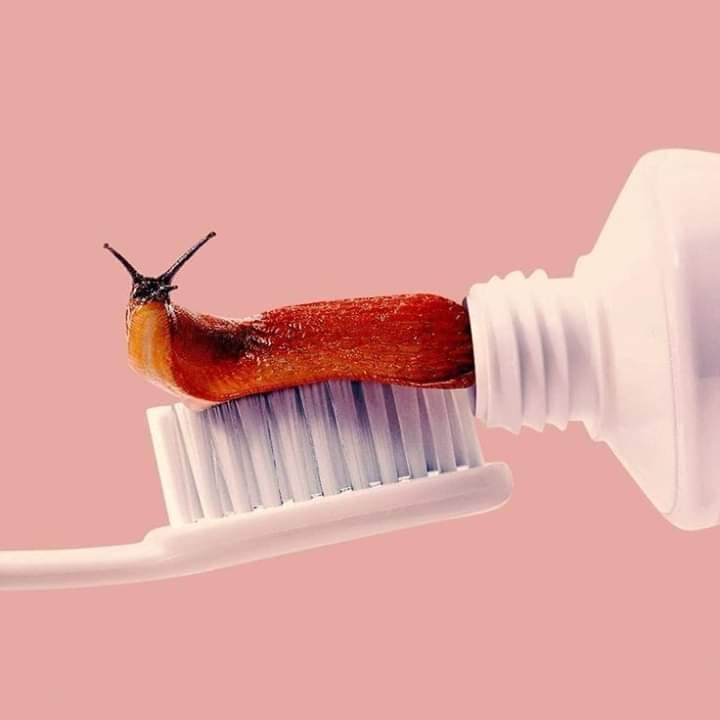
Snail Tooth Paste 


Hanuman the monkey god 


Friday, May 17, 2019

Cosmic Caterpillar


This cosmic caterpillar is the larva of the Pacific fruit-piercing moth (Photo: Arabinda Pal)


Tuesday, April 30, 2019

The Komodo dragon: an ultimate and unique pet.


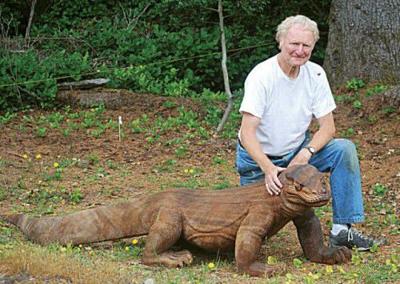
Bob Ward of Long Beach poses with his realistic Komodo dragon carving.


The ultimate pet: A Komodo dragon

By Ron Malast / Observer correspondent


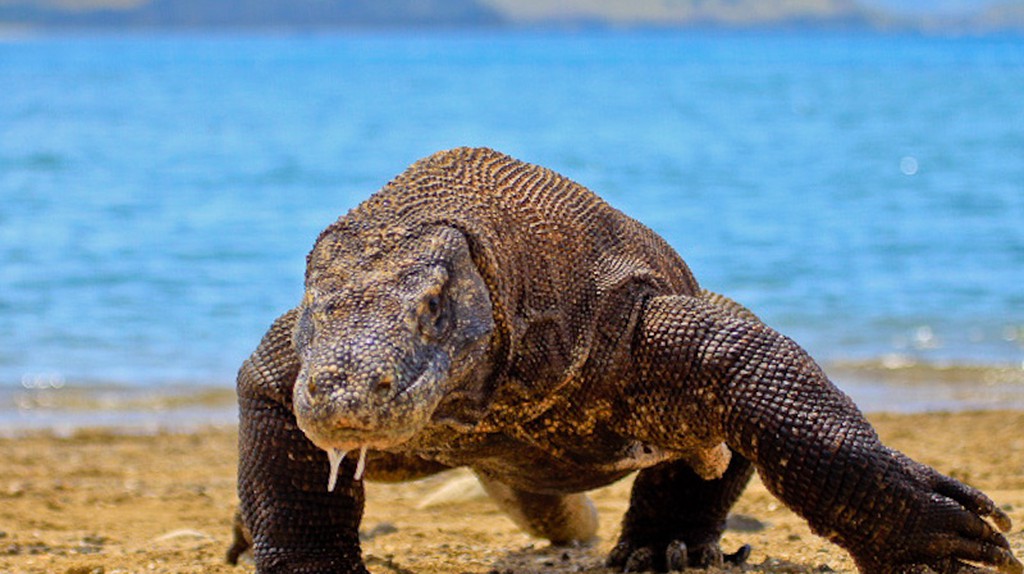
 LONG BEACH  It is the largest living species of lizard, growing to a maximum of 9.8 feet and weighting up to 150 pounds. As a result of their size these lizards dominate anywhere that they live. Natives of Indonesia, Komodo dragons hunt and ambush prey including birds, invertebrates, goats, wild pigs, horses and mainly deer.

Luckily, Bob Ward of rural Long Beach doesn't have to worry about feeding his Komodo dragon, it is carved out of wood. Bob’s cousin purchased it in Bali while on a world tour, after a change of his job location, the cousin bequeathed the dragon to Bob.


The Komodo stretches out over 7 feet long and weighs about 300 pounds. Every scale on its body, claws and facial features are meticulously carved.

To kill the large prey that it does, research-ers have published evidence that show that Komodo dragons possess a venomous bite and found that it secrets a venom containing several different toxins.

Komodo Dragons could hold the key to beating Superbugs


DailyMail
Wednesday, Feb 22nd 2017 
DRAGONS could hold the key to beating superbugs: Komodo blood found to have 'superantibacterial' properties
  • Komodo dragons have at least 57 types of bacteria in saliva, but appear resistant
  • Researchers incubated Komodo dragon blood, revealing antimicrobial activity 
  • Discovery could help develop new drugs to fight antibiotic-resistant superbugs
And, according to new research, the blood of Komodo dragons could be the key to developing new drugs in the fight against antibiotic-resistant superbugs.

The team used a method known as ‘bioprospecting,’ revealing antimicrobial protein fragments in their blood that protects them against infections. 

They’re the largest lizards in the world, with deadly saliva that’s loaded with at least 57 species of bacteria to bring down their prey. And, according to new research, the blood of Komodo dragons could be the key to developing new drugs to fight antibiotic-resistant superbugs

THE GROWING THREAT OF SUPERBUGS  

Antibiotic resistance occurs when bacteria change to 'outsmart' or resist antibiotic medicine, making it close to impossible to treat the infection.
The bacterium that carries resistance genes to many different antibiotics is called a superbug.

Most of these infections occur in hospitals or in medical care facilities, such as nursing homes.

The Centers for Disease Control and Prevention said that more than two million people are infected with antibiotic resistant bacteria every year.

More than 23,000 people die from these infections each year.

Experts say that if the epidemic is not brought under control, superbugs may kill more people than cancer by the year 2050.

In the study, researchers from the College of Science at George Mason University investigated whether they could isolate substances known as cationic antimicrobial peptides from Komodo dragon blood – massive lizards the dwell on five small islands in Indonesia.

These CAMP substances are an essential part of the innate immune system, and the team had previously done this with alligator blood.

In a technique called bioprospecting, they incubated the Komodo dragon blood with negatively charged hydrogel particles that they developed to capture the positively charged peptides.

This allowed the researchers to identify and sequence 48 potential CAMPS with mass spectrometry.

All of these, except for one, was derived from histone proteins.

These types of proteins are known to have antimicrobial activities.

The researchers then synthesized eight and tested them against Pseudomonas aeruginosa and Staphylococcus aureus.

The antibiotic resistant strain of S. Aureus (MRSA) is a growing problem worldwide.

The analysis revealed that seven of the peptides from the Komodo dragon blood were potent against both of the bacteria.

The eighth peptide was only effective against P. aeruginosa.

The researchers then synthesized eight and tested them against Pseudomonas aeruginosa and Staphylococcus aureus. The antibiotic resistant strain of S. Aureus (MRSA) is a growing problem worldwide

It’s thought that the bacteria in Komodo dragons’ saliva helps them to kill their prey.
But, the dragons themselves appear to be resistant.

According to the new research, serum derived from the animals may have antibacterial abilities as well.

This could pave the way for new therapeutics to treat antibiotic resistant bacteria.

‘The study demonstrates the power and promise of our bioprospecting approach to cationic antimicrobial peptide (CAMP) discovery and it reveals the presence of a plethora of novel h

‘These findings may have broader implications regarding the role that intact histones and histone-derived peptides play in defending the host from infection.’ 

Komodo Dragons are Complicated Killers


Komodo Dragon 

 
Zoo Dragon 


Komodo National Park in Indonesia Is One of the World's Finest Treasures


EDIRA PUTRI

19 JUNE 2017


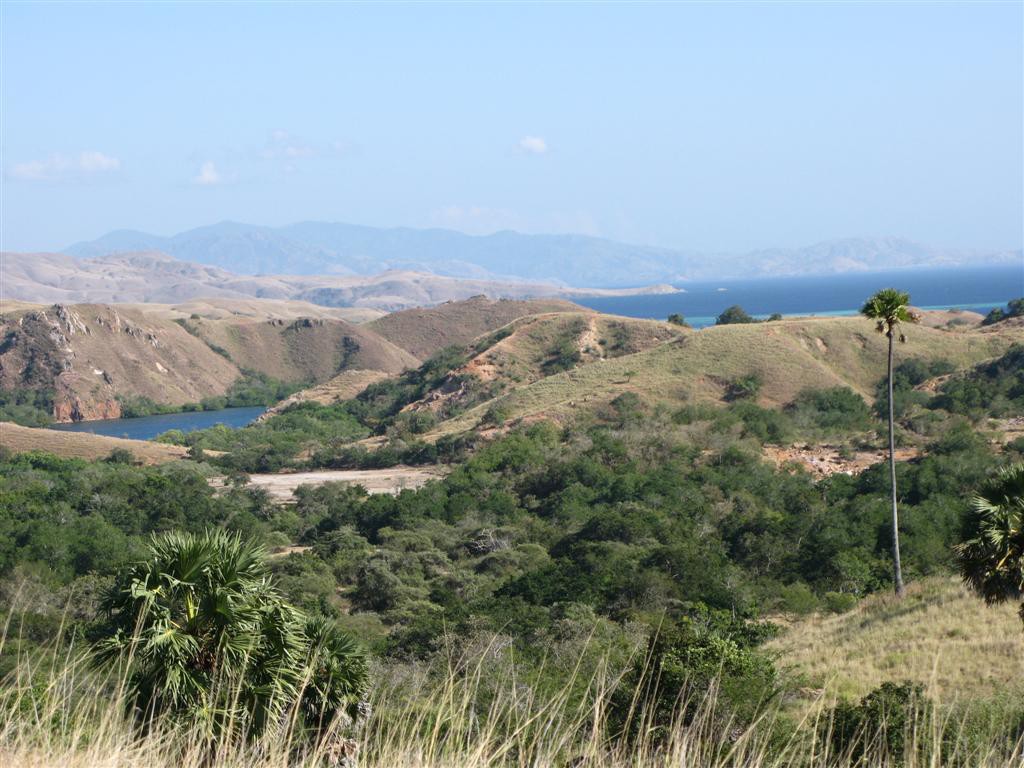
Komodo National Park comprises three islands—Komodo Island, Padar Island, and Rinca Island—and numerous surrounding smaller islands.  


A beach at Komodo National Park 

A beach at Komodo National Park


Komodo National Park is dedicated to providing a natural habitat for, and conservation of, the ancient and rare Komodo Dragon (Varanus komodoensis). 

The park’s importance is acknowledged by global organizations such as a UNESCO World Heritage Site in 1991.  WWF and Conservation International have recognized the place as a global conservation priority area.  The park’s status as one of the 'New 7 Wonders of Nature' has established its global significance.

Komodo Dragons can only be found on five islands in the world, four of which are part of the national park, plus the nearby Flores Island in East Nusa Tenggara. 

According to scientists, this particular species has managed to survive for millions of years, making it one of the oldest species that still exists today. 

Many scientists believe that the otherworldly Dragons are close relatives to the dinosaur, from the same era and showing similar bodily structure.  Thus, Komodo Dragons are often called “the last dinosaur in the world.” The species is the largest living species of lizard, with an average length of 2-3 meters.


The mighty Komodo Dragon


The national park's distinctive natural environment combines a nutrient-rich ocean water and volcanic elements, which have made it possible for thousands of different species to thrive in and around the islands. As many as 1,000 species of tropical fish, 260 species of coral, 70 species of sponge, as well as endemic species like the orange-footed scrub fowl, the Timor deer, Rinca rat, turtles, dolphins, and dugongs.


The blue sea of Komodo National Park, Indonesia


The view at Komodo National Park, Indonesia

The view at Komodo National Park, Indonesia


Facts about the Komodo Dragon


  They can run up to 20 kph. 
  When a baby Komodo dragon hatches it burrows out of its dirt mound of a nest and makes for the nearest tree to stay until it grows up. It must make it to the tree before its mother sees it or she will eat it. Up in the tree it stays living on insects, lizards, birds and anything else that has the misfortune of landing there until it is too heavy to stay on a branch. They are camouflage grey/brown, so hard to see them in the trees, or on the ground.
  There are over 2,200 dragons on the 390 sqm Komodo island and two other islands nearby.  They are also all micro-chipped. To do that risky job, one lures them into a cage with raw meat and jabs the chip in. 
  Locals believe that it’s the toxic bacteria in Dragon saliva that kills, but a scientific study by the University of Melbourne in 2009 dispelled that and proved that there is venom in their saliva. If the prey manages to get away it soon collapses and dies and the dragon can feast on it later. It's hard to survive their sharp teeth and deadly claws.


Link: https://theculturetrip.com/asia/indonesia/articles/why-the-komodo-national-park-in-indonesia-is-one-of-the-worlds-finest-treasures/


Largest Lizard on Earth | The Komodo Dragon | Deadly 60 | Indonesia | Series 3 | BBC


Published on Feb 14, 2014


SUBSCRIBED 4.2M

Steve Backshall travels to Indonesia in search of reptiles to add to his list of 60 deadly predators. He and his crew have a nerve-racking close encounter with three metre long Komodo dragons, the world's largest venomous lizards!


Subscribe to BBC Earth: http://bit.ly/BBCEarthSubBBC Earth YouTube Channel: http://www.youtube.com/BBCEarth BBC Earth Twitter http://www.twitter.com/bbcearth Visit http://www.bbcearth.com for all the latest animal news and wildlife videos


Komodo Dragons Kill With Venom, Researchers Find

BY CAROLYN BARRY


Dispelling what one expert calls a scientific fairy tale, a new study shows that the fierce lizards ooze venom, not toxic bacteria, into bites to help weaken and ultimately kill their prey. 


In the venom, some compounds that reduce blood pressure are as potent as those found in the word's most venomous snake, western Australia's inland Taipan.


Komodo Combo Attack

While his colleagues expressed surprise at the findings, Fry said he wasn't so shocked.

His earlier research had shown that other lizard species—such as iguanas, legless lizards, and monitor lizards—are also venomous.
In fact, Fry estimates that close to a hundred of the more than 5,000 known lizard species use venom.
What is surprising, Fry said, is Komodo dragons' elaborate venom-delivery system.

"It's the most complex duct system described in reptiles to date," he said.
Snakes typically have a single venom duct that leads to their fangs. But Komodos have multiple ducts located between their teeth.

However, this means Komodo dragons don't deliver their venom as efficiently as snakes, Fry said.
Rather than injecting venom directly via a forceful bite, the dragons use a specialized bite-and-pull motion to ooze the toxin into wounds during a sustained, frenzied attack.
The combination of venom and multiple lacerations from the lizards' sharp, serrated teeth is what makes the dragons so deadly.
"They're not like the cobra, where venom is the only game in town. Komodos have a combined arsenal," Fry said.
The findings suggest that the Komodo's ancient relative, the Megalania, used a similar venom-plus-wounding approach.
The giant lizard, which roamed Australia about 40,000 years ago, measured about 13 feet (4 meters) long.
Fry's work, published in this week's issue of the Proceedings of the National Academy of Sciences, could mean that the Megalania was the largest venomous animal to have ever lived.


Related image


Related image 


Komodo dragons fight over a kill


Steve Erwin in Indonesia 2
Steve Irwin


Image result for crocodile hunter - Steve and the dragon
Steve Irwin